What a digital business card should do at an open home
Paper cards get left on the bench. A good digital card saves you to a buyer's phone, sends them to your website and starts a conversation.
What an agent's digital card needs to do at open homes, and how Blinq, Tapt, Propps, HiHello and Real Agent Marketing compare, from each vendor's own website.

There are plenty of digital business cards on the market, and most of them were built for conferences and sales teams. An agent’s day is different. You meet people at open homes, on the phone and at the front door, and the person who scans your card today might sell with you in two years.
This guide sets out what a real estate agent’s card needs to do, then compares five options. One of them is ours, so we’ve kept the comparison to facts each vendor publishes on its own website, as at October 2026. Features and prices change, so check each vendor’s site before you decide.
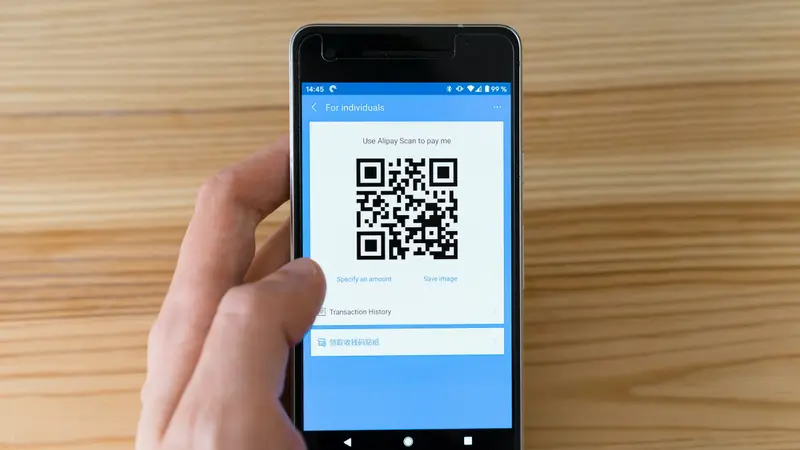
Work at an open home. A QR code people can scan from a stand at the front door or the back of a brochure, without downloading an app.
Save you to their contacts. One tap should put your name, mobile, email and website into their phone, spelled correctly. That’s what they’ll search for in six months.
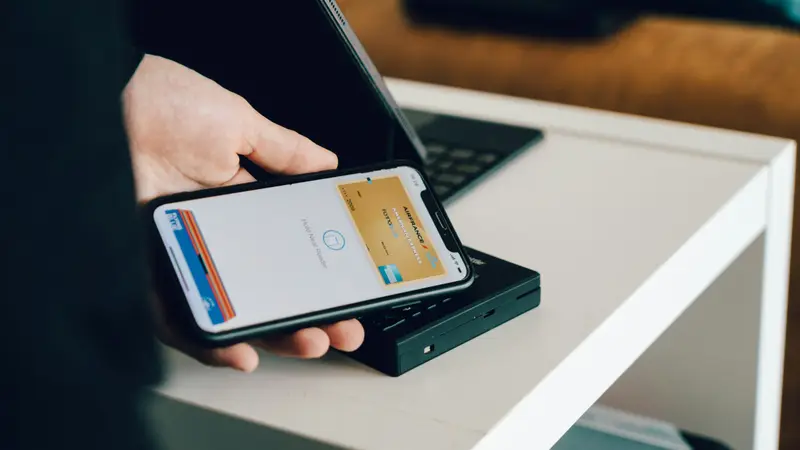
Live in your phone’s wallet. A wallet pass means your QR code is one swipe away, even when you’ve forgotten your printed cards.
Show your licence details and agency. Real estate advertising in Australia generally needs to identify the licensed agency behind it. Your card should show your agency, and your licence number where your state requires it.
Fit your agency’s brand, or yours. Some agencies want every agent’s card to match. Some agents want their own brand.
Send people somewhere useful. Ideally to your own website, with your listings and sales, rather than a page that only lists contact details.
Turn interest into a lead. An enquiry form, an appraisal request or an offer form that lands somewhere you’ll see it.
No single product does all of this best. Here’s how the five compare.
As at October 2026, from each vendor’s own website.
| Blinq | Tapt | Propps | HiHello | Real Agent Marketing | |
|---|---|---|---|---|---|
| Built mainly for | Individuals and teams in any industry | Individuals and teams, with physical NFC cards | Real estate agents and agencies | Individuals and teams in any industry | Individual real estate agents |
| Apple Wallet | Yes | Yes | Mentioned on its site | Yes | No |
| Google Wallet | Yes | Yes | Check with Propps | Yes | Yes, for the agent’s own card |
| QR code | Yes | Yes | Check with Propps | Yes | Yes |
| Physical NFC cards | Sold separately | Yes, the core product | Branded NFC card available | Check with HiHello | No |
| Real estate features | General product | General product | Listings, offers and CRM sync | General product | Listings, licence details, own website |
| Free option | Free plan | No platform fee for 1 to 4 users, plus the cost of the card | Free app to download | Free personal plan | Free plan |
“Mentioned” means the vendor’s own pages say so, and “check with” means we couldn’t confirm it either way from those pages. We haven’t tested these products, and a “check with” doesn’t mean the feature is missing.
Blinq is a general-purpose digital business card. You can share by QR code, tap, link or wallet, and the people you share with don’t need the Blinq app. Its Apple and Google Wallet page says the wallet feature is available to all users.
Where it’s strong: team features. Blinq’s pricing page lists a free plan for individuals, and a Business plan with team cards, brand control over logos, colours and fonts, admin-controlled email signatures and native CRM integrations. Its home page names HubSpot, Salesforce and Microsoft Dynamics. It also scans paper cards and badges into your contacts.
Worth knowing: it isn’t specific to real estate, so check with Blinq if you need your card linked to a real estate CRM.
Tapt lists a Cremorne, Victoria address and sells physical NFC business cards that open your digital profile when tapped on a phone, along with QR codes and stands. Its digital wallet page says Apple and Google Wallet are included with the purchase of any Tapt product, and that people you share with don’t need an app.
Where it’s strong: the physical card. If you like handing over something people can hold, Tapt is built around that. Its pricing page (in Australian dollars) shows no annual platform fee for one to four users, plus the one-off cost of your card. Teams pay an annual platform fee and get team templates, device controls, single sign-on and CRM integration.
Worth knowing: like Blinq, it’s a general product rather than one made for real estate.
Propps is built for real estate. Its Propps Card page describes a digital profile you share from the Propps app, which is free to download. You can share listings that sync from your CRM, and buyers can register interest or submit an offer, with the details synced back to your CRM. A branded NFC card is also available. Its home page mentions adding to Apple Wallet.
Where it’s strong: agency adoption and the offer process. Propps’ home page shows logos of agency groups including Ray White, LJ Hooker, Harcourts, PRD, Elders and Barry Plant, and CRM integrations including VaultRE, Agentbox, Rex and Eagle Software. If your agency already uses Propps for offers, its card fits straight into that workflow.
Worth knowing: Propps doesn’t list prices on these pages, and its call to action is to book a demo. Ask Propps about Google Wallet and QR sharing if you need them.
HiHello is a general-purpose digital card. Its pricing page, in US dollars, lists a free personal plan that includes Apple and Google Wallet, sharing by QR code, a personal email signature and virtual backgrounds for Zoom, Teams and Meet.
Where it’s strong: extras around the card. Paid plans add custom branding, contact enrichment and more paper card scans. The Business plan, with a five-user minimum, adds company-wide email signatures and integrations with Salesforce, HubSpot and Microsoft Dynamics.
Worth knowing: it’s not specific to real estate, and prices are in US dollars.
Our card is built from the same brief as your website. It’s free on every plan, including the A$0 plan.
What it does: your card opens in any phone’s browser, with buttons to call, email, text or save your contact. “Save contact” adds your name, agency, mobile, email, website and photo to their phone. Your agency’s name and your licence number sit at the foot of the card. It’s co-branded with your agency or in your own brand, and on Starter and Pro it shows your listings and links to your own website on your own domain. Enquiries arrive in your inbox with an email alert. You can download your QR code for printing, and add your own card to Google Wallet.
Where others are stronger: we don’t offer an Apple Wallet pass or physical NFC cards, and we don’t connect to CRMs or handle offers. Propps has much wider adoption among agency groups and an offer process built in. Blinq, Tapt and HiHello have more team and admin features for organisations rolling out cards to many people.
Where it fits: if you want your card, your website and your domain to work together, and to stay with you if you change agencies.
You can also use more than one: your agency’s tools, plus a personal card and website, the same way you use Domain, realestate.com.au and your own site together.
For more on using a card well, read what a digital business card should do at an open home and how to add your card to your phone’s wallet. When you’re ready, create your free card.
Paper cards get left on the bench. A good digital card saves you to a buyer's phone, sends them to your website and starts a conversation.
How buyers save your card from a QR code at an open home, adding your own card to Google Wallet, what to do on iPhone, and your QR code in print.
Can an individual agent have their own Google Business Profile? What Google's guidelines say, how to set one up, and the mistakes to avoid.
Start free with your digital card. Upgrade when you're ready for your own site and domain.